Renting Servers for Temporary Projects: When It Beats Cloud or Buying Your Own
Automata Editorial
Expert Insights team
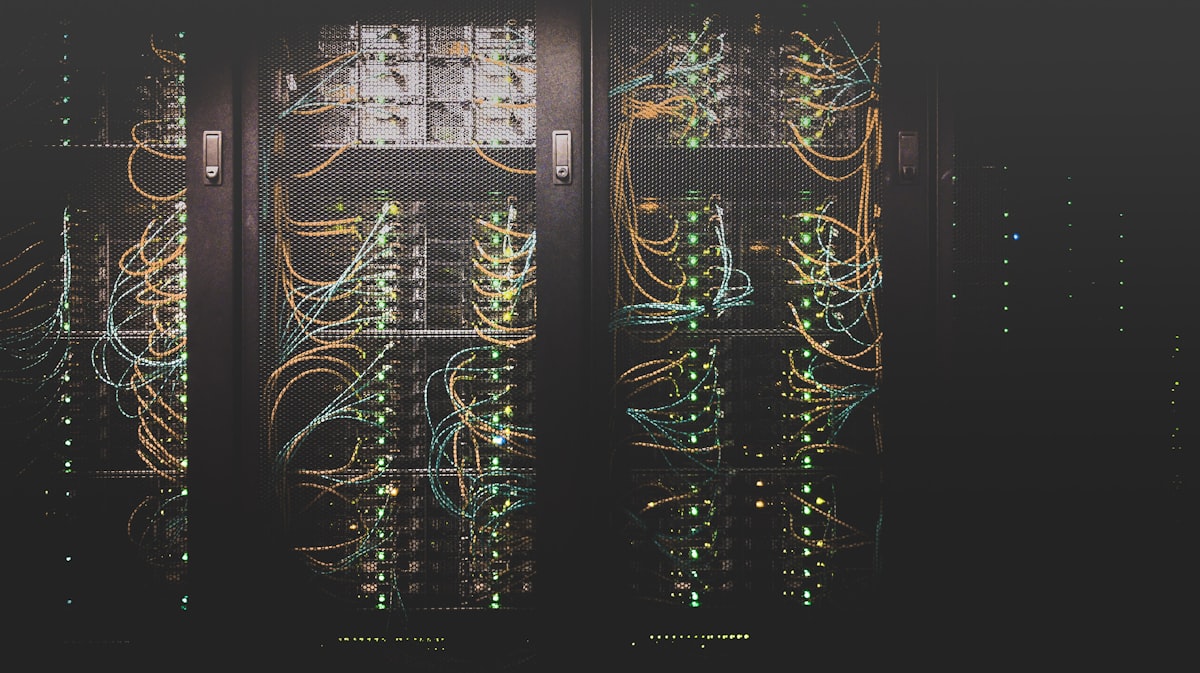
Servers are often needed for a clearly bounded period: data or application migration, a staging environment before release, seasonal load peaks, or temporary recovery while a primary site is unavailable. Buying enterprise servers for that means a large capital outlay for equipment that waits for disposal once the project ends. This article does not champion one option; it shows how to tell when renting physical servers, cloud, or buying is the better fit.
Temporary Situations
Migration (old and new systems run in parallel until cutover), staging and user acceptance testing, seasonal or campaign peaks, temporary failover while a site is renovated or permanent DR is not ready, pilots before a buy decision, and project sites with unreliable connectivity.
When Renting Physical Servers Wins
- Data must stay in a server room or data centre you control.
- Load is steady for the duration, so cloud elasticity goes unused.
- Performance must be predictable, as with write-heavy databases on dedicated hardware.
- The application is not cloud-ready and is easier to move to similar hardware than to rewrite.
- You are moving large datasets between rooms on your own network.
When Cloud Is Better
Unpredictable load that must scale up and down quickly, no suitable room, power, or cooling for hardware, users spread across many regions, or a team already fluent in cloud with data policies that allow it.
Sizing and Site Readiness
Inventory the workloads and measure them on the current system. Choose RAID by purpose (RAID 1 or 10 for write-heavy databases, RAID 5 or 6 for capacity, mindful of long rebuilds on large disks), use dual power supplies, decide the hypervisor early (VMware ESXi, Proxmox, or Hyper-V), and settle who pays for operating-system and application licences. Check rack units, power capacity, cooling, network ports, and physical access before delivery.
Cutover, Recovery, and Return
Run old and new in parallel, replicate data, freeze changes in a defined window, and keep a rollback plan. For temporary recovery, define RTO (how long the service may be down) and RPO (how much data may be lost) and test failover before you need it. At the end, copy final data to official storage, disable project accounts, erase disks with a recognised method such as NIST SP 800-88, and sign a return record listing serial numbers. If the server processes personal data, involve legal or compliance under Indonesia's Personal Data Protection Law (Law No. 27 of 2022).
Need a server for a fixed-term project? See server rental and our rental services, or contact us with your workloads and project dates.
Topic Tags
Get Expert Insights
Join 500+ professionals who receive our weekly deep-dives into IT infrastructure.
Related Reads

Sep 19
Renting LED TVs and Monitors for Events, Exhibition Booths, and Meeting Rooms: Size, Connections, and Setup

Sep 23
Renting Document Scanners for Archive Digitisation Projects: When to Rent Equipment and When to Hire a Service
Sep 14